
Furniture disposal in dense Dublin presents challenges due to limited land and high demand. Illegal dumping and cluttered spaces highlight the need for efficient, sustainable solutions. Legal considerations under Waste Management Act and EU directives stress responsible treatment of hazardous substances. Cost-effective options include recycling, community programs, online platforms, and partnerships with local recycling centers. Recycling and upcycling minimize environmental harm, foster a circular economy, and enhance brand images. Strategic planning, inventory creation, and engaging friends streamline processes, reduce costs, and contribute to a greener Dublin.
"Navigating the complex task of furniture disposal in Dublin can be a daunting prospect, especially with environmental concerns and cost considerations. This article offers simple yet effective solutions for managing furniture waste in the city. From understanding legal and environmental aspects to exploring cost-effective options for homeowners and businesses, we provide insights into responsible and affordable furniture clearance methods. Discover top tips and strategies, including recycling and upcycling, to make your furniture disposal process efficient and eco-friendly."
- Understanding the Challenge of Furniture Disposal in Dublin
- Legal and Environmental Considerations for Responsible Disposal
- Exploring Cost-Effective Solutions for Homeowners
- Effective Strategies for Businesses and Restaurants
- The Role of Recycling and Upcycling in Furniture Disposal
- Top Tips for Efficient and Affordable Furniture Clearance
Understanding the Challenge of Furniture Disposal in Dublin

Furniture disposal in Dublin can be a complex task due to various factors. The city's dense population and limited land space mean that effective waste management is paramount. With a constant influx of residents and businesses, the demand for efficient furniture disposal solutions is higher than ever. Traditional methods often fall short, leading to issues like illegal dumping and cluttered public spaces.
Moreover, the challenge is exacerbated by the diverse types of furniture—from outdated sofas to broken dining sets—that need proper recycling or disposal. Dubliners must navigate these complexities while considering environmental impacts and cost-effectiveness. This prompts a need for innovative solutions that simplify furniture disposal processes without compromising on sustainability and budget considerations.
Legal and Environmental Considerations for Responsible Disposal

When it comes to furniture disposal in Dublin, it's crucial to consider both legal and environmental aspects to ensure responsible practices. In Ireland, there are strict regulations governing waste management, especially for larger items like furniture. The Waste Management Act and various EU directives outline guidelines for proper disposal, recycling, and reuse of materials. For instance, certain types of furniture may require specific treatment due to the presence of hazardous substances, such as formaldehyde or lead in older pieces.
Environmental agencies often collaborate with local authorities to promote sustainable waste management solutions. In Dublin, residents are encouraged to explore various options before opting for traditional landfill disposal. This includes recycling through specialized programs, donating usable items to charities or community centers, and even upcycling or selling old furniture to extend its lifecycle. By adhering to these responsible practices, individuals and businesses can contribute to a cleaner, greener Dublin while ensuring compliance with the law.
Exploring Cost-Effective Solutions for Homeowners
Many Dublin homeowners face a common dilemma—disposing of old or unwanted furniture while staying within a budget. Furniture disposal Dublin doesn't have to be an expensive endeavor, however. There are several cost-effective solutions available that can help reduce costs and even benefit the environment. One simple approach is to consider recycling; many items can be repurposed or refurbed, extending their lifespan and saving money on new purchases.
Community waste collection programs and local recycling centers often offer free or low-cost drop-off points for furniture. These services not only take care of disposal but also ensure that materials are reused or recycled responsibly. Additionally, online platforms and social media groups facilitate the exchange or sale of pre-loved furniture, providing an affordable option for those seeking quality pieces at a fraction of the cost.
Effective Strategies for Businesses and Restaurants
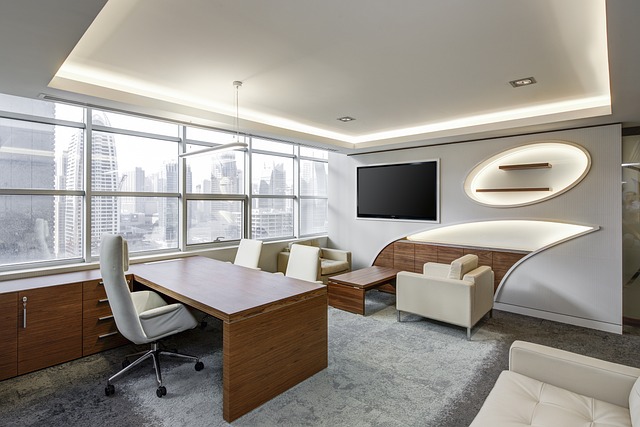
For businesses and restaurants in Dublin, efficient furniture disposal is not just about maintaining a clean and organized space but also contributing to a sustainable environment. Implementing eco-friendly practices can be as simple as partnering with local recycling centers or waste management companies specializing in furniture disposal Dublin. These professionals ensure that old furniture is either reused, recycled, or repurposed, reducing the carbon footprint associated with traditional disposal methods.
By adopting such strategies, businesses can not only save on costs but also gain a positive reputation among environmentally conscious customers. Regularly updating furniture and equipment can be part of an overall sustainability plan, including donation drives for gently used items and collaboration with local charities or upcycling initiatives. This holistic approach to furniture disposal Dublin fosters a culture of responsibility and ensures that businesses play their part in creating a greener community.
The Role of Recycling and Upcycling in Furniture Disposal

In the realm of furniture disposal Dublin, recycling and upcycling play a pivotal role in mitigating environmental impact. By adopting these sustainable practices, individuals and businesses can divert valuable materials from landfills, reducing waste and conserving resources. Recycling involves breaking down old furniture into its component parts, which are then processed and used to create new products. This not only diminishes the demand for virgin materials but also contributes to a circular economy where resources are continually reused.
Upcycling takes this concept further by repurposing existing furniture items into something new and often more valuable. Creative individuals can transform outdated pieces into contemporary designs, extending the lifespan of these items and adding unique character to their homes or workspaces. This approach not only reduces the need for purchasing new furniture but also fosters a sense of resourcefulness and individuality in furniture disposal Dublin practices.
Top Tips for Efficient and Affordable Furniture Clearance
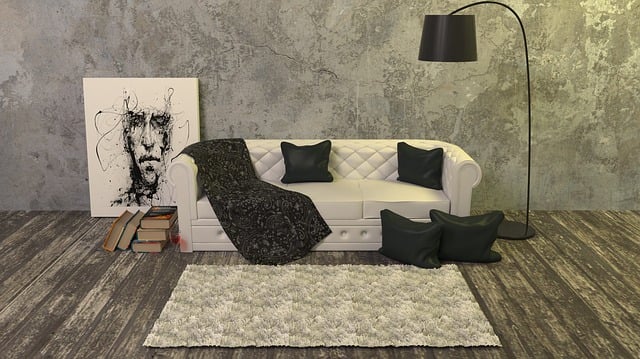
When it comes to furniture clearance in Dublin, there are several smart strategies that can make the process efficient and cost-effective without breaking the bank. Firstly, plan ahead by making a detailed inventory of the items to be disposed of. This allows for better organization and facilitates the involvement of friends or family members, turning what could be a laborious task into a fun group activity.
Additionally, consider the environmental impact by recycling where possible. Many furniture pieces can be deconstructed, with certain materials like wood and metal readily recyclable. Check local recycling centers in Dublin to understand what they accept and how to properly prepare items for disposal. This simple step not only reduces costs but also contributes to a greener Dublin.
In conclusion, navigating furniture disposal in Dublin no longer has to be a complex or costly endeavor. By understanding the legal and environmental considerations, exploring cost-effective solutions for homeowners, and adopting efficient strategies for businesses and restaurants, we can collectively contribute to a cleaner, more sustainable Dublin. Recycling and upcycling play a pivotal role in this process, offering creative ways to extend furniture's lifespan. With these simple yet effective tips, we encourage folks in Dublin to tackle furniture disposal head-on, ensuring a greener future without breaking the bank.